AI-Native ClubBlog

London / Global

Results

See what changed
when AI went to work.

See how people use AI to save time, build useful tools and change how their teams work.

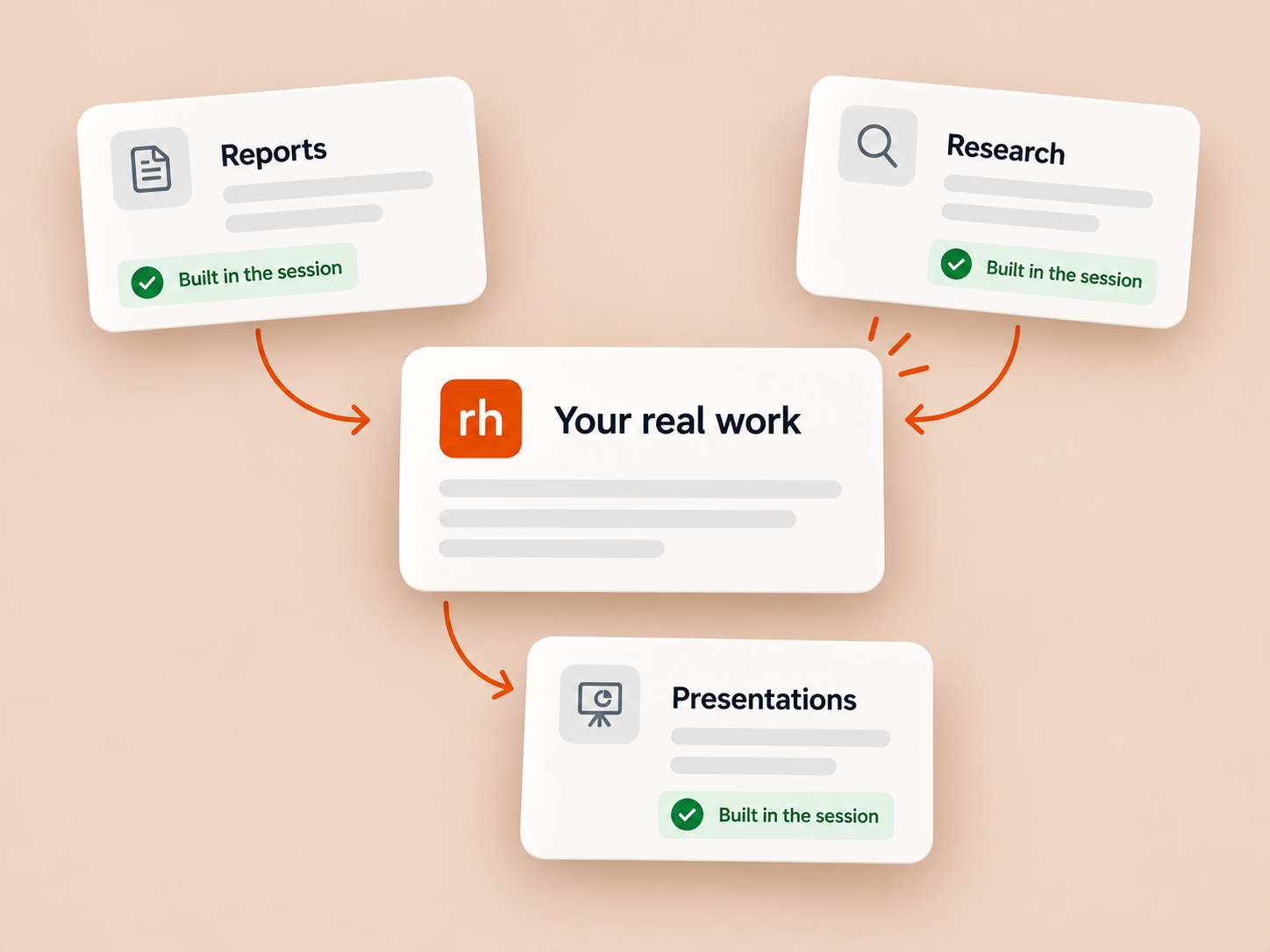
Reports, research and presentations built around real work.

Automated hotel audits

Iain’s audit and risk system, used across European hotels

Built a campaign dashboard

Tom built his own after four coaching sessions

Teams built their own AI tools

21 training sessions at a private equity firm, using real work

19 stories

Executive training

Hotel audits: from Excel to a risk and intelligence system.

Iain Davidson · Hospitality

Iain Davidson audits health, safety and security at luxury hotels. He built a tool around his own inspection process and now uses and refines it across several European locations.

What changed
The challenge
An audit continued long after the site visit. Iain collected evidence, worked through spreadsheets and turned findings into a report for hotel leaders. For the Brussels engagement, he described three days on site followed by another week preparing the report manually.
What we did
We helped Iain turn his health, safety and security process into a Python app using Codex. Coaching used his own audit work: capturing evidence, applying issue scores and preparing reports. After the Brussels audit, we reviewed the output and refined scoring and presentation.
Where AI improved the work
The work connected the inspection process with the information hotel leaders needed to act on.
What changed
Iain produced a 70-page first client report and went on to use the tool at other hotels. He can now develop and refine a system around his own domain expertise, rather than rely on spreadsheets for every stage of the audit.
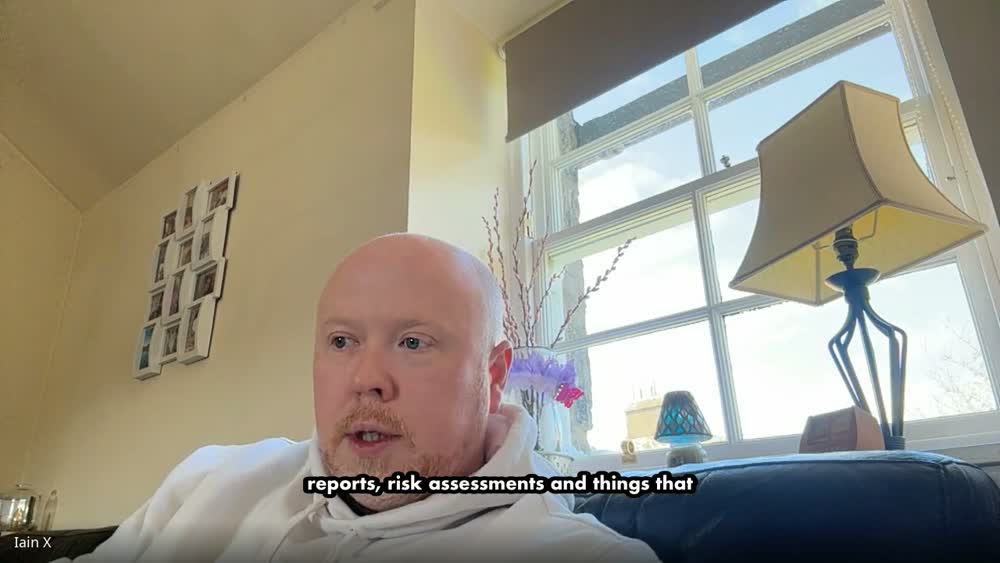
Watch testimonial · 4:16

Testimonial · 4:16

Speed

"It's going to save a considerable amount of time. More importantly, it's going to save a considerable amount of money."

Iain Davidson · Health, Safety & Security Leader, Five-Star Luxury Hotels
Leader Lab
Read the story & watch the video

Executive training

AI agents: building a business without technical hires.

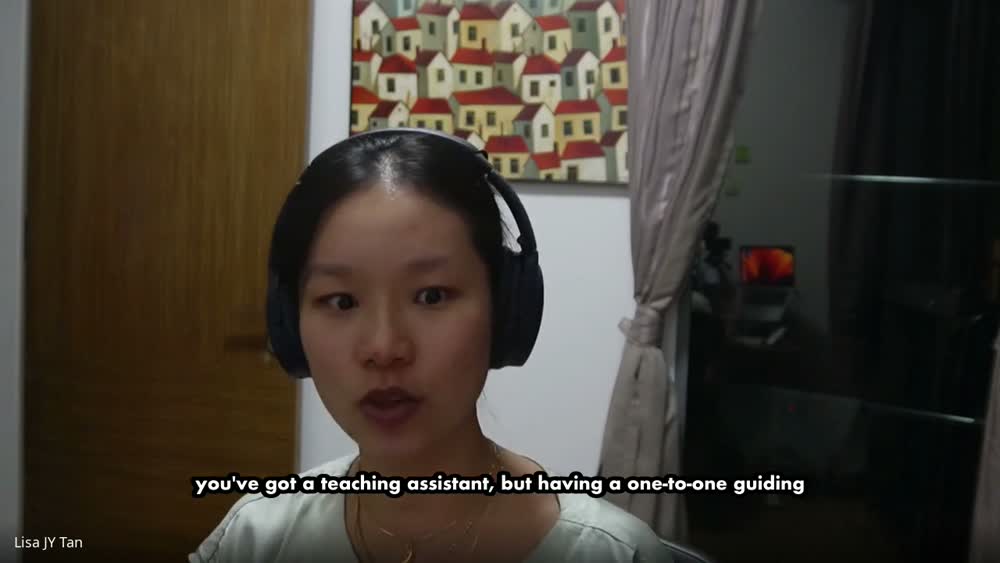
Lisa Tan · Economics Design

Lisa JY Tan, founder of Economics Design, wanted to use AI agents but didn’t know where to start. Guided setup led to prototypes and an MVP for a crypto-payments business, built without hiring technical staff.

What changed
The challenge
She’d tried tutorials, meetups and weekend setup attempts. She needed help getting an agent working, understanding what it could do and recovering when something went wrong. The larger goal was to turn business ideas into working software, without hiring technical members of staff.
What we did
We worked through OpenClaw setup and taught Lisa how to describe tasks, supply context and investigate errors. The coaching also covered model choice, reusable skills and memory, so she could keep developing her own setup after the sessions.
Where AI improved the work
Lisa’s use expanded from getting an agent running to directing agents across her projects.
What changed
Lisa moved from uncertainty about agents to building with them herself. She developed prototypes and an MVP without technical hires and continued into more complex setups.
Watch testimonial · 3:13

Testimonial · 3:13

Speed

"Get someone like Elliott to work with you through the journey. In a couple of days, boom, you're set up and ready to explore what the future can look like."

Lisa JY Tan · Founder, Economics Design

Done With You
Read the story & watch the video

Professional coaching

AI coding: four sessions to paid automation work.

Tom Veysey · Founder, Perch

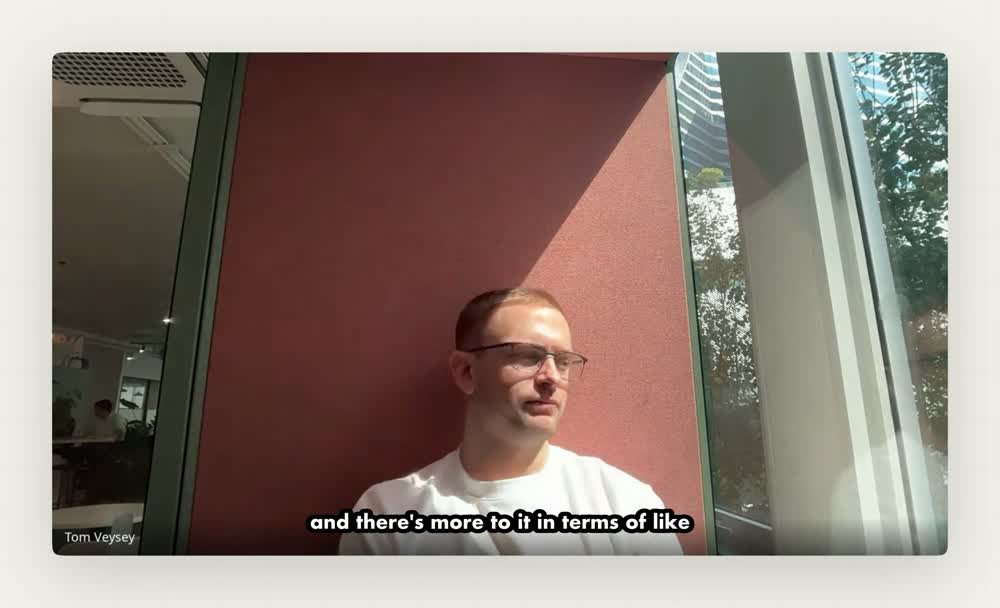
Tom Veysey is the founder of Perch. After four coaching sessions, he built a campaign dashboard independently in about three hours and went on to launch his automation agency.

What changed
The challenge
Tom already used AI, but needed help directing a coding agent through a complete build. Turning an idea into working software meant choosing a clear scope, setting up the project and knowing how to check and fix the output.
What we did
Across four sessions, we used Spec Driven Development to turn Tom’s ideas into clear requirements and break builds into smaller tasks. We worked with Replit, Claude Code and Supabase. Tom practised providing context, reviewing the work and resolving setup problems.
Where AI improved the work
The coaching gave Tom a process he could apply beyond the sessions.
What changed
Tom progressed from learning how to direct a coding agent to building independently and selling automation services. He also began developing a mobile app for a gym in Thailand, extending his work beyond campaign tools.
Watch testimonial · 5:30

Testimonial · 5:30

Speed

"I just went from start to finish building a project in about three hours."

Tom Veysey · Founder, Perch

Leader Lab
Read the story & watch the video

AI coaching

28 people coached. AI workflows built around real PE work.

Private equity firm

A global private equity and credit firm with approximately US$100bn in total committed capital. Over three days, 28 people from associates to C-suite worked through 21 coaching sessions, building prototypes and reusable skills for their own roles.

What changed
The challenge
The firm operates across 15 offices with more than 500 employees. AI experience varied across roles and teams. People needed help applying it to reports, presentations, spreadsheets, inboxes and information retrieval. Generic prompts missed the context, standards and judgement their work required.
What we did
We delivered 21 one-hour coaching sessions over three days. The 28 participants worked across investment, finance and operations, from associates to C-suite. Each session started with 10–15 minutes on the participant’s role, recurring tasks and priorities. We chose a useful workflow with each participant, built it together using available files and team-specific context, then tested the output. Coaching covered model choice, clear instructions, token-efficient best practices and human review. Participants also learned workflow automation and ways to collaborate as a team. Useful work became prompts, templates and skills participants could reuse.
Where AI improved the work
The coaching covered the investment lifecycle and the teams supporting it. Participants built and tested the components below. Potential time back is shown for each workflow.
What changed
In 20 of the 21 sessions, the work progressed from an AI conversation towards a reusable system. Participants created working prototypes, prompts, skills and templates they could continue testing and share with colleagues. Human review was built into the approach in 19 sessions. In 17 sessions, available files were enough to make progress before live integrations were in place. Where prototypes needed lasting data storage or connected tools, the sessions clarified the next build step.
Read the story

Executive training

AI coaching: a hotel executive builds his own dashboard.

Warren Lavender · Luxury hospitality

Warren Lavender is an executive at a five-star luxury hotel chain. He moved from occasional ChatGPT use and manual spreadsheets to building a reporting dashboard and helping shape his organisation’s AI strategy.

What changed
The challenge
Warren had tried ChatGPT but didn’t know how to make it useful for hotel operations. He hadn’t used Claude or set up ChatGPT Projects. Reporting still relied on manual spreadsheet work, while useful answers needed the context of his role and hotel standards.
What we did
We created a profile covering Warren’s role, priorities and working style, and introduced voice input. We then set up a ChatGPT Project with instructions and a hotel-standards document, and checked its answers against the source. Iain’s audit workflow provided a practical example.
Where AI improved the work
The sessions connected AI use to specific responsibilities in a hotel business.
What changed
Warren became more confident using ChatGPT and Claude and built his own reporting dashboard after coaching. He now has a practical way to give AI business context and check its work, and has continued developing tools for his role.
Watch testimonial · 0:24

Testimonial · 0:24

"I’ve learned more than I have playing around with it in the last couple of months."

Warren Lavender · Luxury hospitality

Leader Lab
Read the story & watch the video

AI Native framework

AI Native Design System: from strategy to everyday work.

Remote Humans

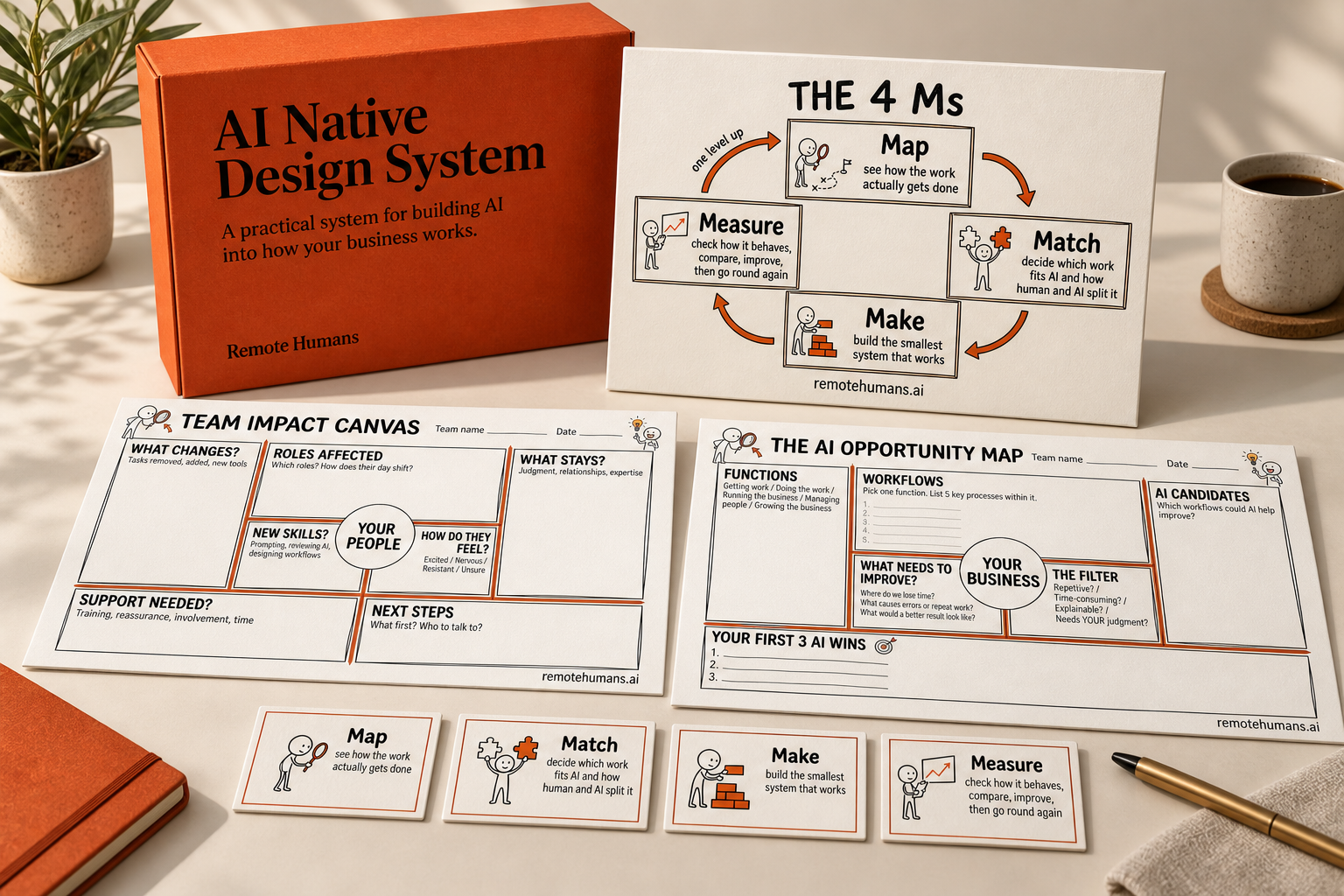
A practical framework for leaders and teams that need more than access to AI tools. It connects business priorities, governance and hands-on learning with the workflows people do every day.

What changed
The challenge
Businesses need to decide where AI is useful, what information it can use and how people will check its work. Giving everyone a tool doesn’t answer those questions or teach teams how to apply it to their own responsibilities.
What we built
We developed tools and workshop materials that connect AI strategy, governance and fluency. Leaders choose the priorities and rules. Teams learn by mapping real work, building reusable instructions and testing AI on tasks they recognise.
How the framework works
Each part answers a different question a business faces when putting AI into practice.
What it gives a team
A shared direction for AI adoption and a practical route from an idea to an agreed workflow. The framework gives leaders and staff a common way to plan the work, build it and review the result.
Read the story

Professional coaching

AI coaching: brand writing and receipt automation for Somnii.

Sheena & Jo · Somnii

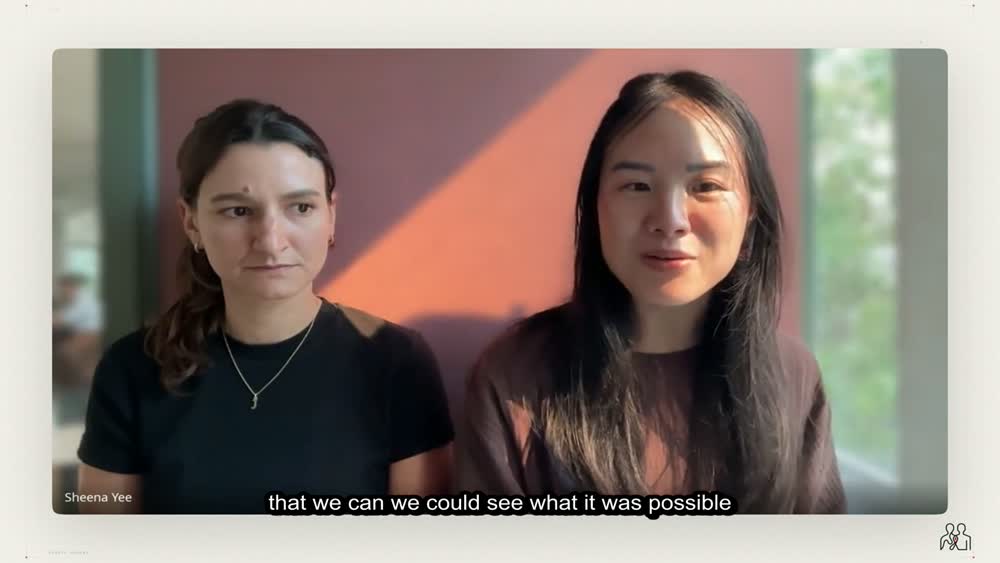
Sheena and Jo run Somnii, a maternal-wellness supplements business. Across four coaching sessions, they built reusable writing tools and tested a receipt workflow using Google Drive, Gemini and Google Sheets.

What changed
The challenge
The founders already used AI, but writing often sounded generic and unlike their brand. Newsletters could take more than two hours. Expense admin also meant uploading a receipt, copying its details into a spreadsheet and adding a link to the file by hand.
What we did
We began with reusable brand and personal writing instructions in Claude Projects and Gemini Gems. The founders practised refining those instructions, then moved into operational workflows. We built and debugged a receipt process that reads files in Drive and enters the details into Sheets.
Where AI improved the work
The work addressed both customer communication and routine business administration.
What changed
The founders described the writing tools as a time saver and said the coaching changed what they believed they could build. By the final session, they were testing and refining the receipt automation, including format and edge-case fixes, with greater confidence.
Watch testimonial · 7:10

Testimonial · 7:10

Speed

"It gave us that mindset shift of there's so many things we can do that are accessible to people like us who are not technical."

Sheena & Jo · Co-Founders, Somnii

Leader Lab
Read the story & watch the video

Professional coaching

AI coaching: a wine-app idea reaches beta users.

Marenelle Quinn · Business architect

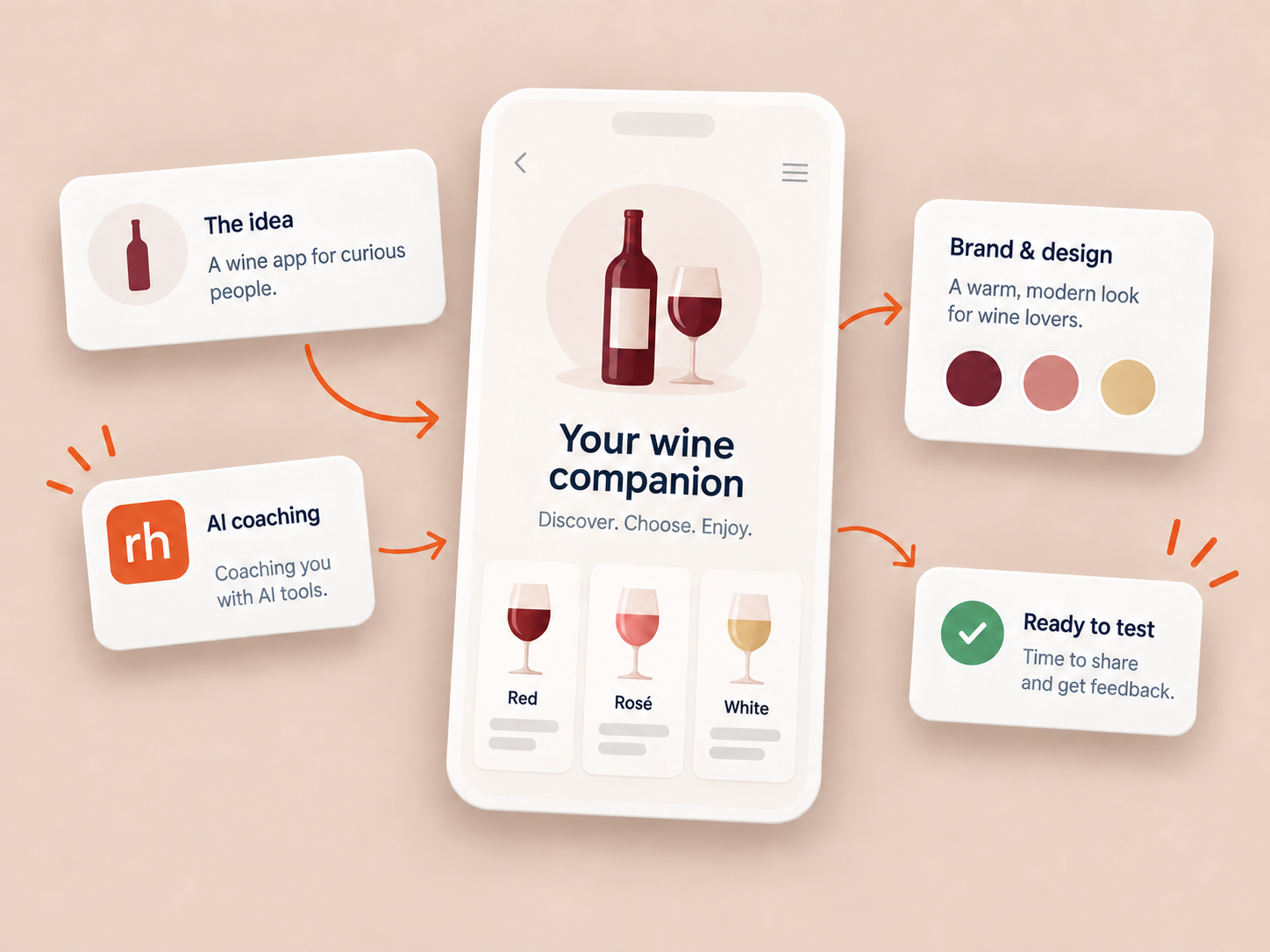
Marenelle Quinn is a business architect developing a wine app. Coaching helped her use OpenClaw, Claude Code, Claude Design and ChatGPT to move from agent setup to a branded product in beta users’ hands.

What changed
The challenge
Marenelle had an app idea and business expertise, but needed help choosing AI tools, understanding account access and getting agents to work reliably. Setup problems interrupted development, while design ideas still needed a clear route into implementation.
What we did
We supported the wider build journey: understanding and setting up agents, recovering a stalled OpenClaw setup, choosing models and developing reusable skills. A focused design session connected the visual work in ChatGPT and Claude Design with the coding and implementation process.
Where AI improved the work
The coaching helped Marenelle direct the work across several stages of product development.
What changed
Marenelle developed a branded wine app and put it in front of beta users. She now uses agents more extensively and is better able to choose tools, create skills and direct the work herself.
Read the story

Professional coaching

AI coding: a designer expands into client automation.

Lucas Stoffe · Freelance designer

Lucas Stoffe is a freelance designer who had no coding or server experience. He learned to build a jewellery website backed by product data, then began taking on business automation work for another client.

What changed
The challenge
Lucas could design a website, but turning the design into a working product required new skills. The jewellery project needed a database, a way to display real products and a reliable process for changing the code.
What we did
We worked through specifications and used Cursor, Claude Code and Antigravity to develop the site. Coaching covered connecting Supabase product data, managing changes with GitHub and understanding the difference between a development build and a deployed website.
Where AI improved the work
The project gave Lucas experience across the parts of a build that had previously been outside his design work.
What changed
Lucas built a working site and gained the confidence to take on automation projects. His services expanded from designing interfaces to helping clients make software and business processes work.
Watch testimonial · 2:01

Testimonial · 2:01

"I’m not scared of tackling any project now because I feel like I have a coworker that can take anything."

Lucas Stoffe · Freelance designer

Leader Lab
Read the story & watch the video

Professional coaching

AI creative coaching: more control over images and video.

Jana Khamsaenpan

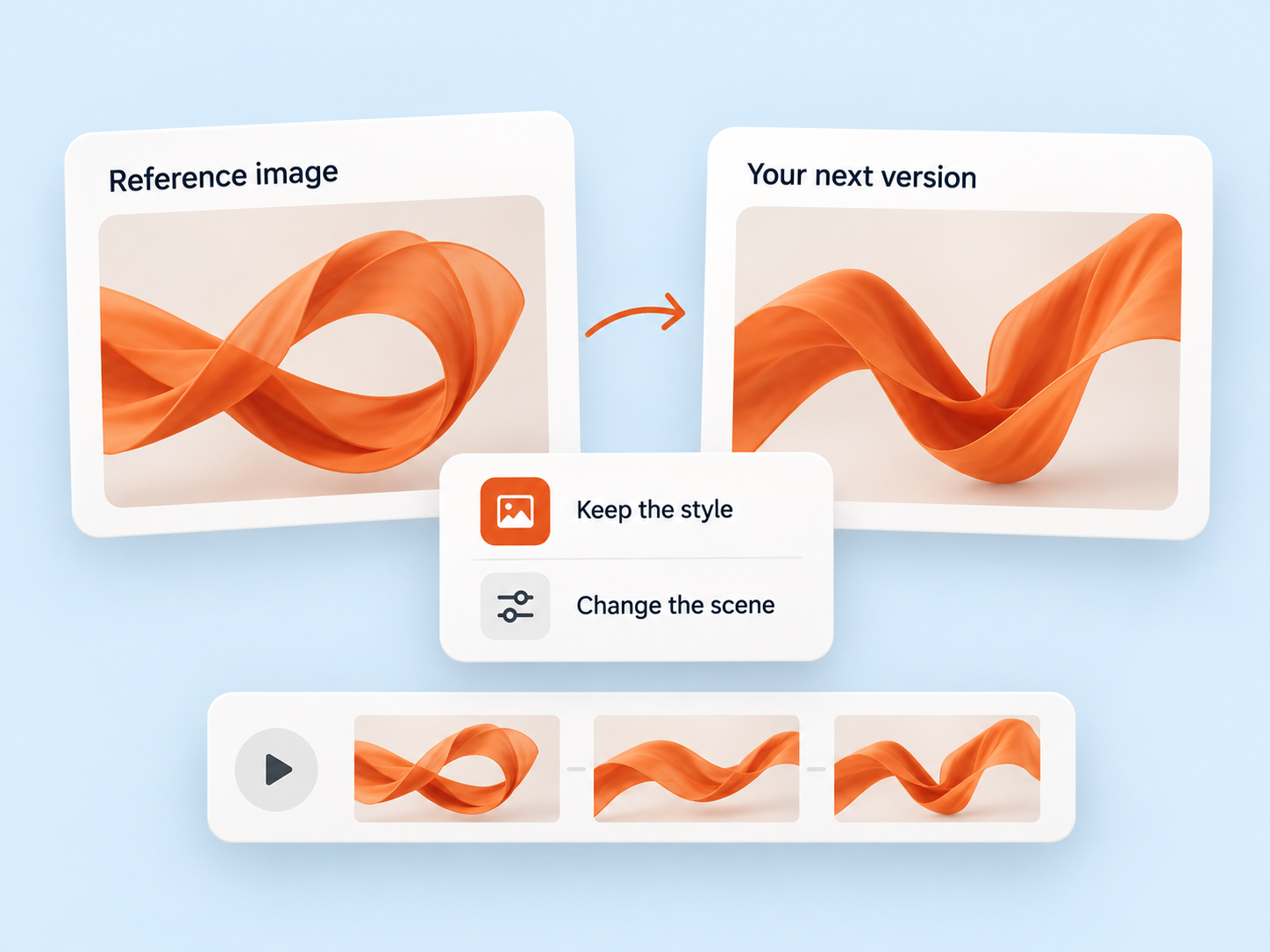
Jana Khamsaenpan wanted to turn visual ideas into consistent AI images and video. Coaching focused on reference material, reusable prompts and making clear what should change between versions.

What changed
The challenge
A visual idea alone didn’t give the tools enough direction. Jana needed a way to describe style, composition and movement, and to keep a character or visual treatment consistent while changing the scene.
What we did
We used guided demonstrations and practice to explore image references, structured prompts and video transitions. We broke creative instructions into specific choices and saved prompts Jana could return to and adapt.
Where AI helped the creative process
The sessions made the choices behind a visual brief easier to describe and repeat.
What changed
Jana left with reusable prompts and a clearer process for practising AI image and video creation. The outcome was greater understanding and control of the creative process, with examples she could continue developing.
Read the story

Digital teammate

Discovery Agent: arrive at the call with the context ready.

Remote Humans

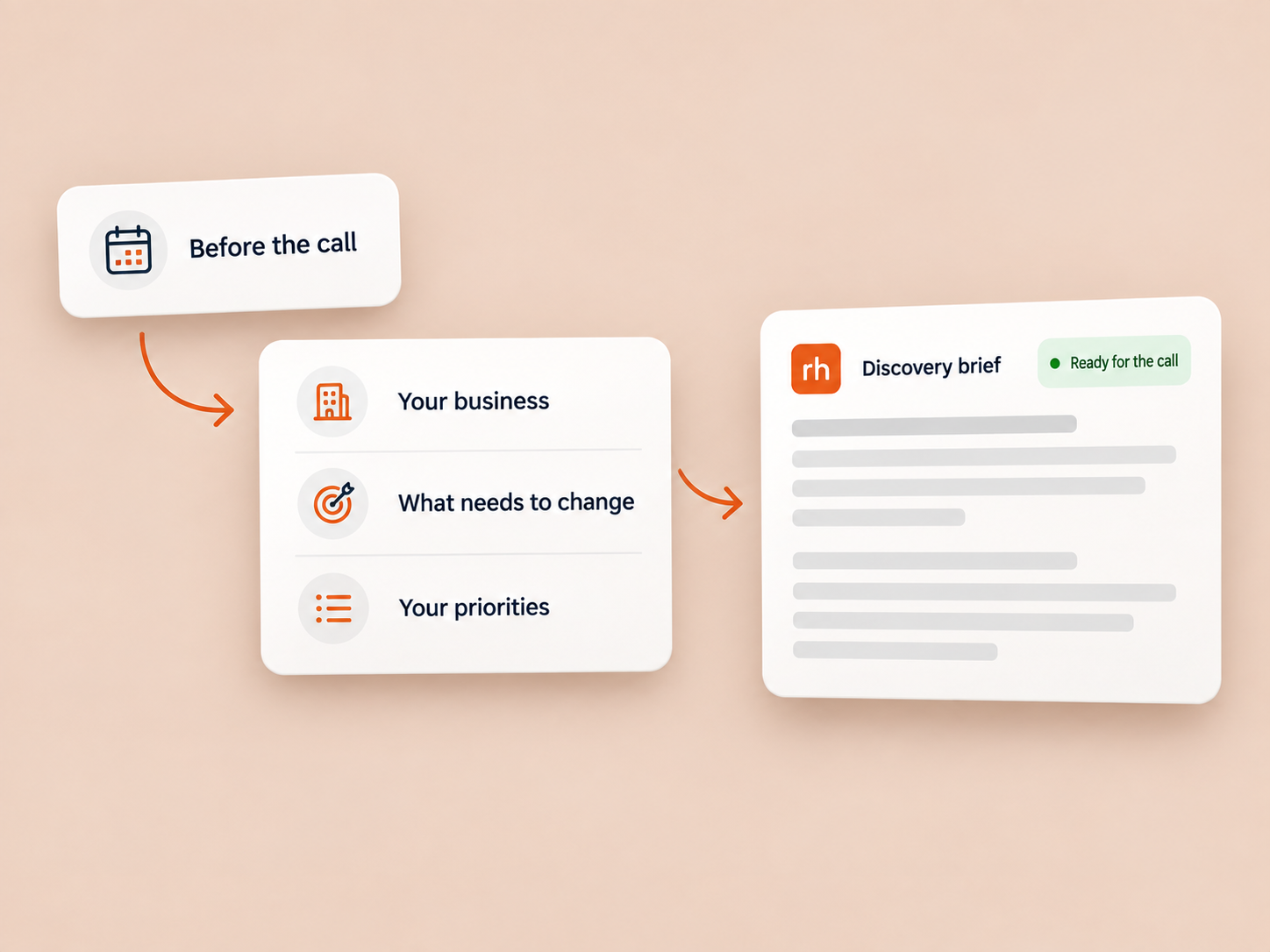
Remote Humans uses an intake agent to understand a prospect’s business, priorities and workflow before a discovery call. It brings the answers into a brief, saving 15–20 minutes of preparation per call in internal use.

What changed
The challenge
Preparing for a discovery call meant collecting background information and working out what the prospect needed. Repeating those questions used time that could go into discussing the actual problem and a suitable way to help.
What we built
We connected a guided intake conversation with Cal.com, n8n, OpenRouter and Supabase. The agent gathers business context and priorities, stores the answers and prepares a summary for Elliott to review before the conversation.
How the workflow helps
The agent prepares the context while the sales conversation stays with a person.
What changed
In Remote Humans’ own use, the agent saves around 15–20 minutes of preparation per call. Elliott can use the information to prepare tailored solutions and spend the conversation on the client’s priorities.

Time saving is based on the owner’s experience.

Read the story

Internal system

Company Second Brain: keep context when you change AI tools.

Remote Humans

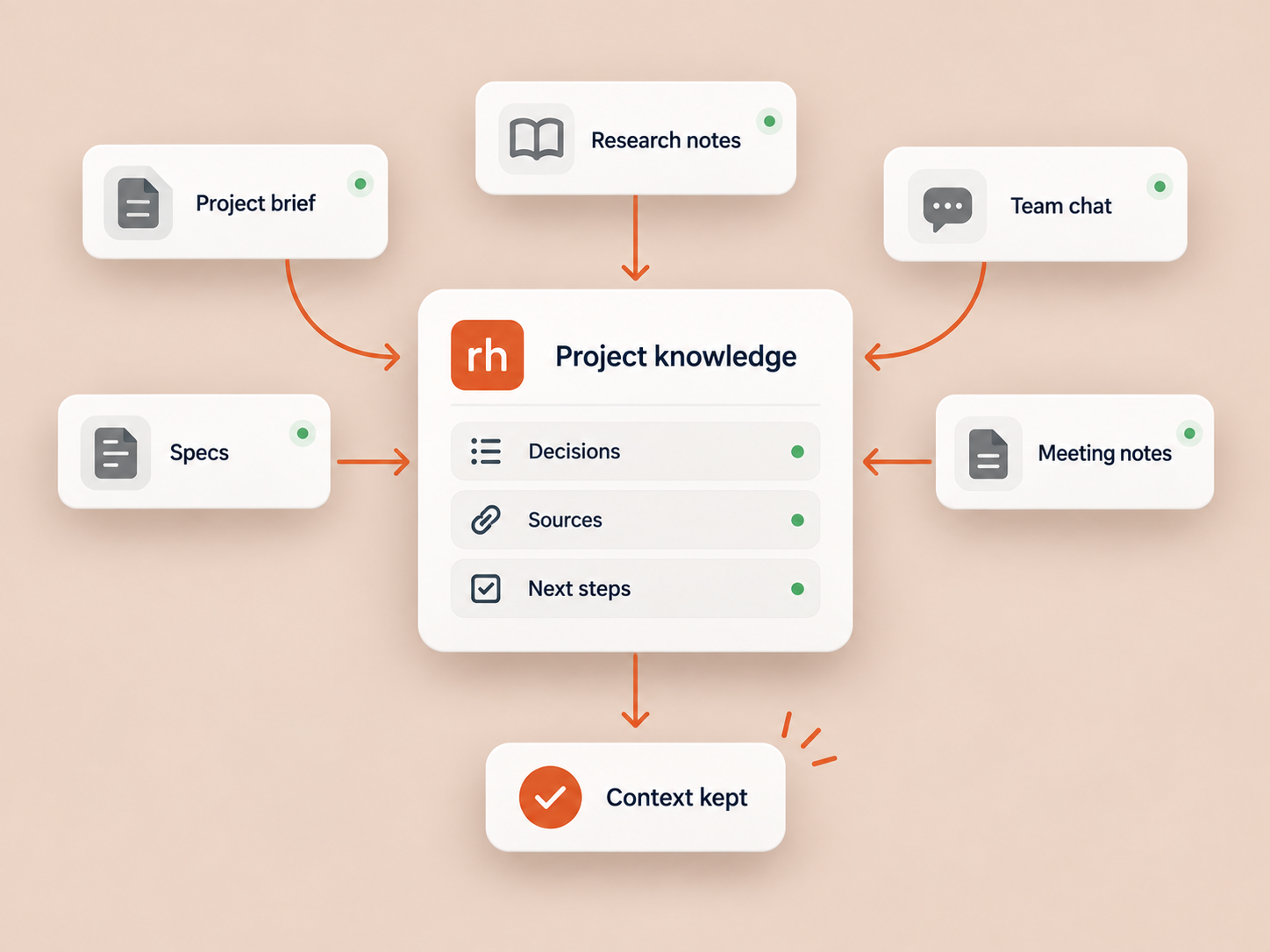
Remote Humans built a shared company knowledge base for decisions, projects and source material. It lets people and AI agents continue work across Claude Code, Codex, ChatGPT, Gemini and Hermes without starting the explanation again.

What changed
The challenge
Business knowledge was spread across conversations, files and one person’s memory. Moving to another AI agent meant explaining the company, project history and working instructions again. Useful decisions could remain buried in the conversation where they were made.
What we built
We created a company wiki and knowledge graph with linked records for people, projects, decisions and source material. Agents follow shared instructions to find the right context and update the relevant records, keeping the knowledge available beyond a single conversation.
Where it changes the work
The same knowledge supports different tools and stages of a project.
What changed
Remote Humans uses the shared records to continue work across tools and support research, sales and project planning. Agents can pick up the relevant history and maintain it as work progresses, reducing repeated explanations and manual record upkeep.
Read the story

iOS and Android Mobile App

squuaad: a social-wellness app in founding members’ hands.

squuaad

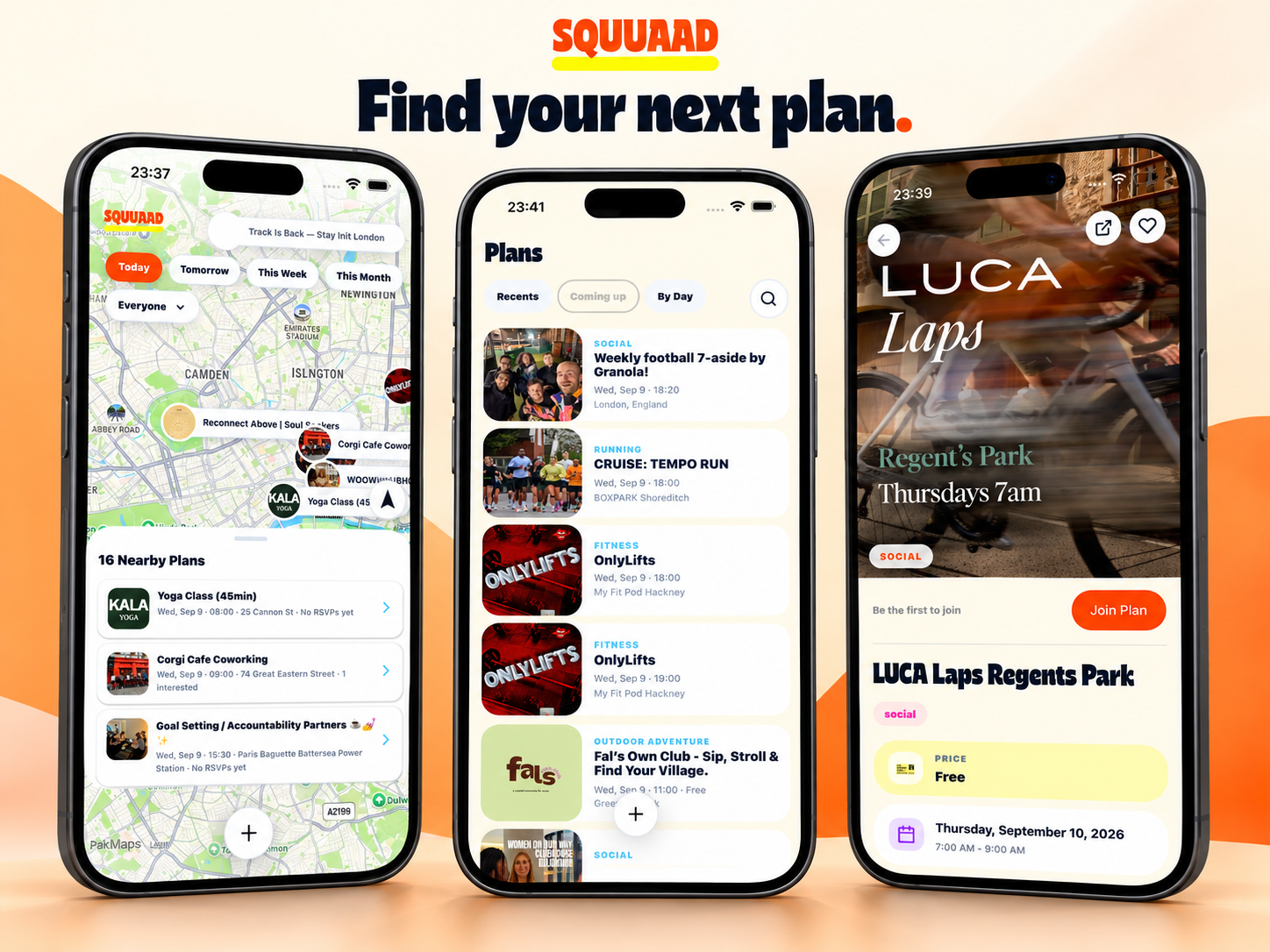
squuaad helps people find nearby activities and make plans with others. Built for iOS and Android, it attracted more than 90 waitlist sign-ups in its first week and is being tested by early-access founding members.

What changed
The challenge
Finding an activity and finding someone to do it with are often separate tasks. People need to know what is nearby, whether it suits them and how to turn an interesting activity into a shared plan.
What we built
We built an iOS and Android app with an activity map, a plans feed and ways to join or organise plans with others. Development used React Native, Expo and Supabase, with AI tools including Claude Code, ChatGPT, Gemini and Hermes.
How the product helps
The experience connects discovery with a practical next step.
Where it is now
More than 90 people joined the waitlist in the first week. Founding members have installed the app and are testing it on their phones, providing feedback on activity discovery, plans and the experience of joining.
Read the story

Professional AI Coach

Glowings: an AI coach for cabin crew applications.

Glowings

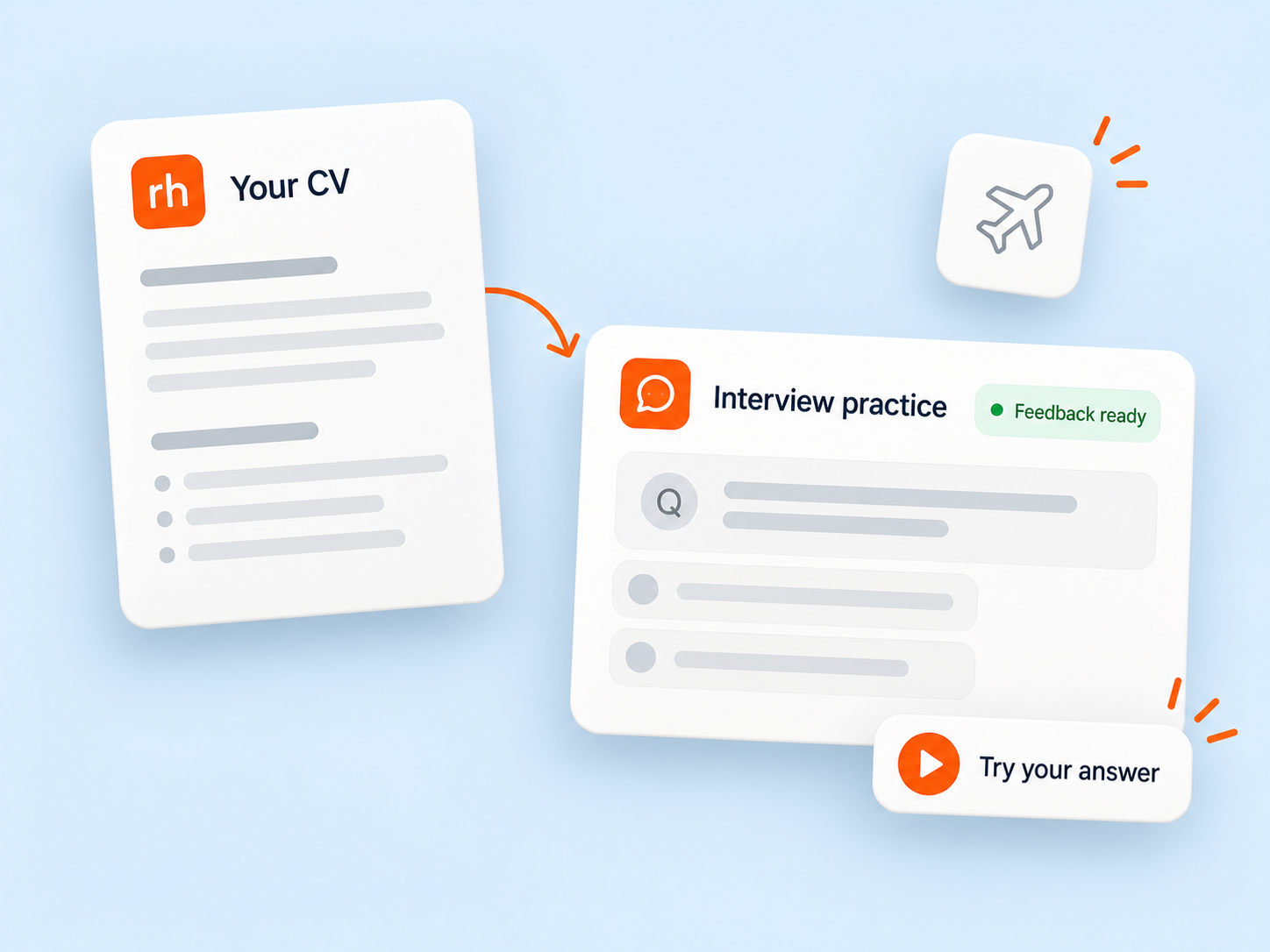
Glo helps aspiring cabin crew prepare their CV and practise interview answers. Saved candidate profiles make the coaching relevant to the person, and the product has attracted early sign-ups and paying users.

What changed
The challenge
Cabin crew applicants need to explain their experience clearly and practise answers before an interview. General advice can leave them unsure how to improve their own CV or respond to a question using their own background.
What we built
We built an AI coach around cabin crew preparation, with CV feedback, interview practice and saved candidate profiles. The product uses the candidate’s background to give context to the next session.
How the coaching works
The product connects application preparation with repeat practice.
Where it is now
Glowings has attracted early sign-ups and a small number of paying users. The product gives applicants a place to prepare and practise around their own experience.
Read the story

Prototype

AI Automation Lab: turn work in your head into a build plan.

AI Automation Lab

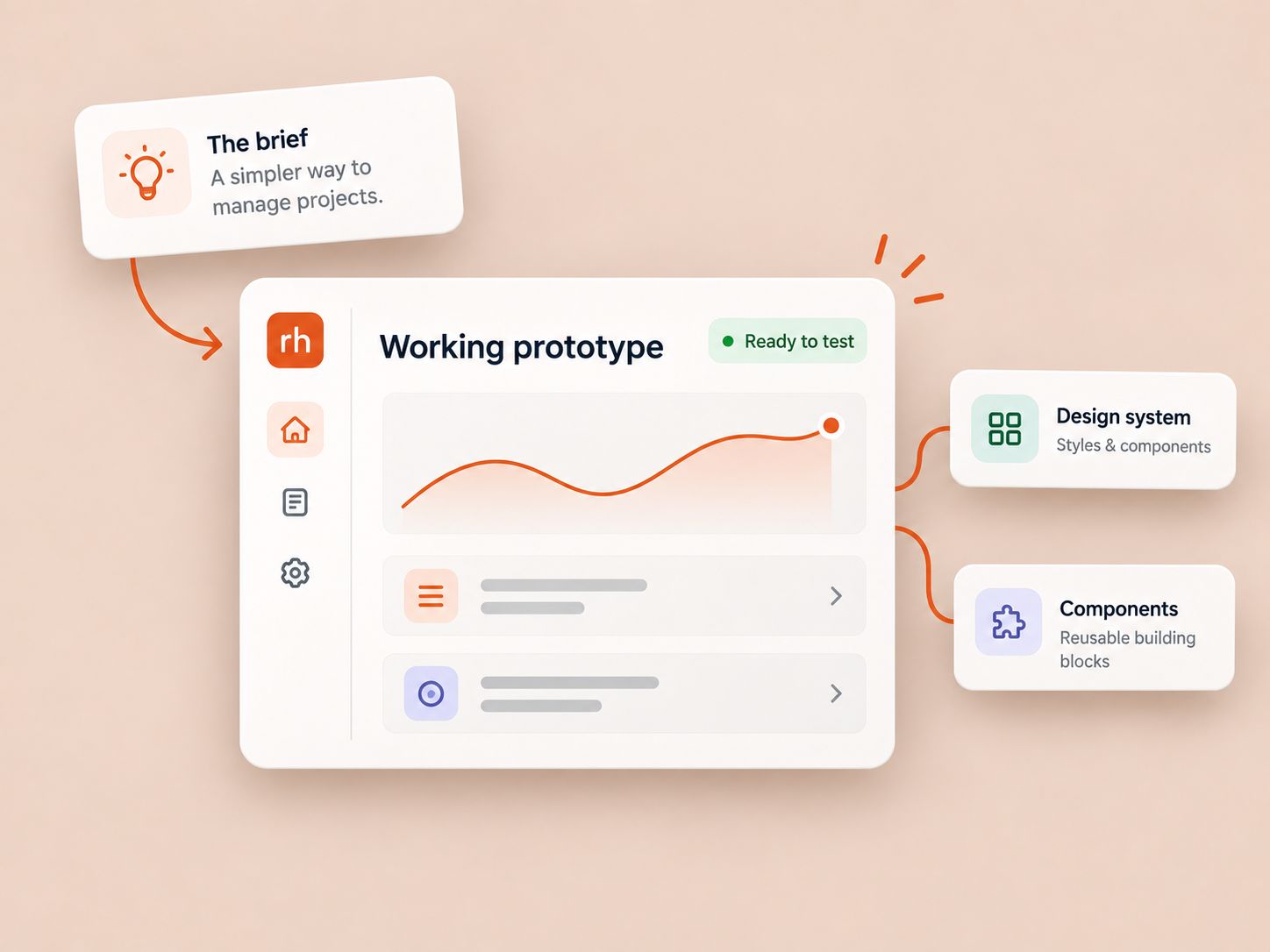
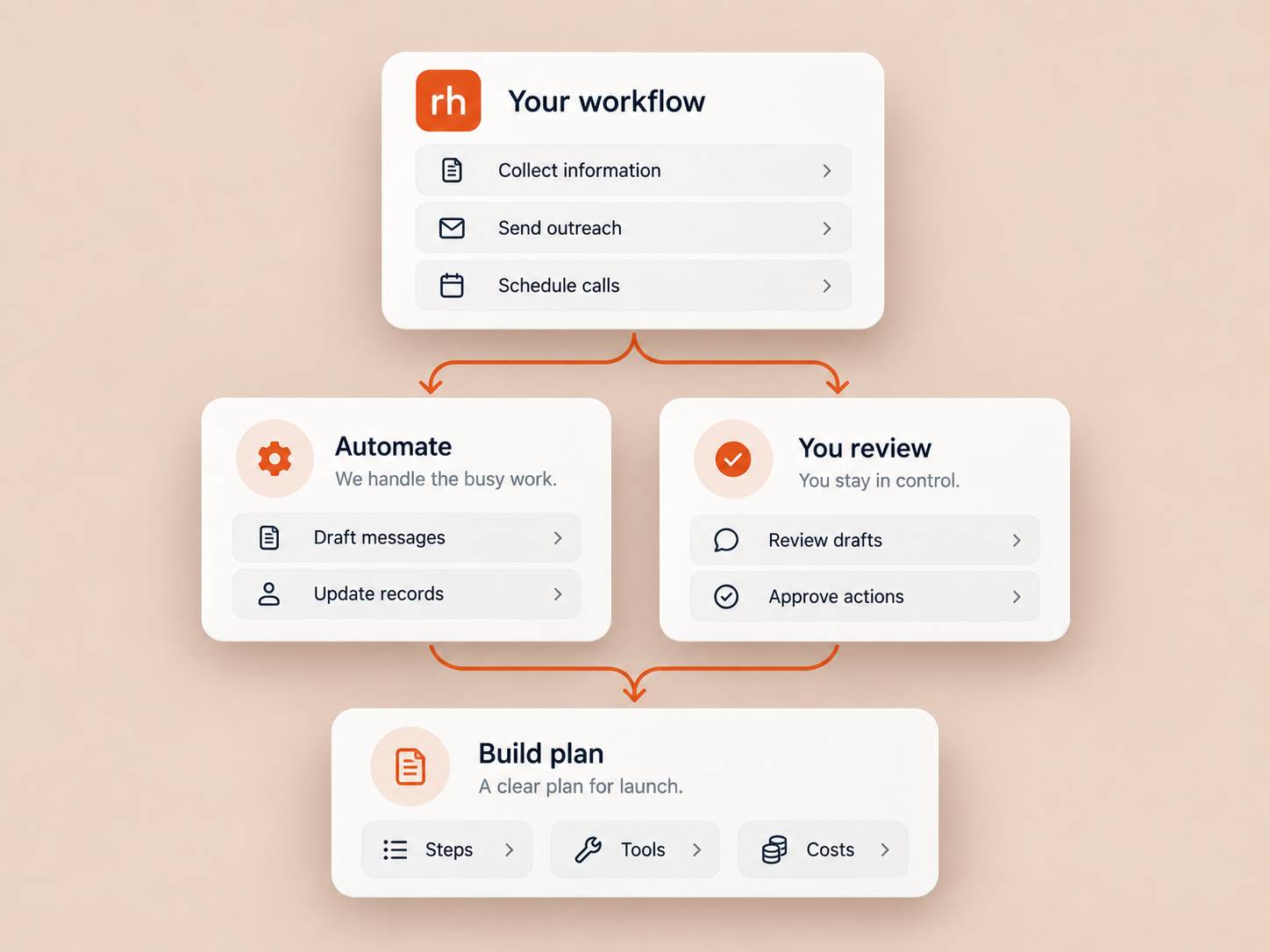
A workflow-planning prototype for technical and non-technical teams. It turns a guided conversation about someone’s work into a documented process, a visual map and prompts for building an automation.

What changed
The challenge
People know how their work gets done, but that knowledge often stays in their heads. Steps, decisions and handovers are hard to explain to colleagues or an AI builder. A team can know it wants to use AI without knowing which part of the work to change.
What we built
We built a guided interview that captures the steps, inputs, responsibilities and time involved in a workflow. The tool documents the current process, visualises it and helps the user plan where AI and human review should fit.
How a workflow becomes a build plan
The prototype makes the process visible before someone starts building.
Where it is now
The prototype produces workflow documentation, a visual map and automation prompts. It is being developed ahead of external release, with the aim of helping teams agree a clear plan before investing in a build.
Read the story

Internal tool

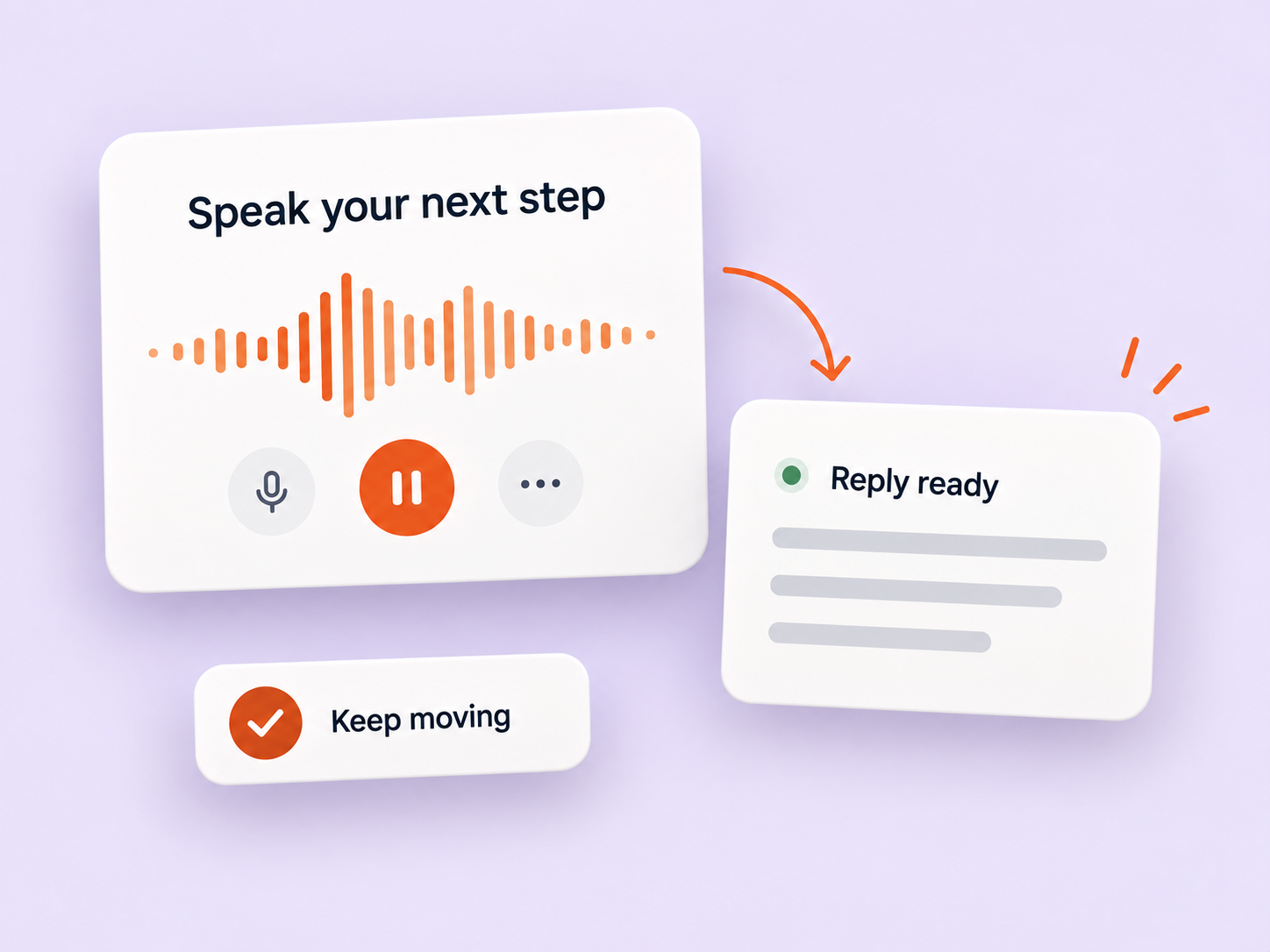
Riff: work with AI agents through your voice.

Riff

Riff is Remote Humans’ internal voice interface for Claude Code and Codex. Spoken requests and spoken replies let Elliott continue working with agents while moving around home or the office.

What changed
The challenge
Working with AI agents usually means returning to the keyboard to give an instruction, then reading a response on screen. That interrupts work when the person needs to move around or step away from the desk.
What we built
We connected voice dictation with agent-response narration. Spoken input becomes an instruction for the agent, while the agent’s reply is read aloud through a local voice system on the Mac.
How the interaction works
Voice supports both sides of the conversation.
What changed
Elliott uses Riff to collaborate with agents by voice in his own work. Response playback has been verified with both the existing Claude Code setup and a real Codex completion.
Read the story

Working tool

Shared focus timer: work and take movement breaks together.

AI Native Club Pomodoro Timer

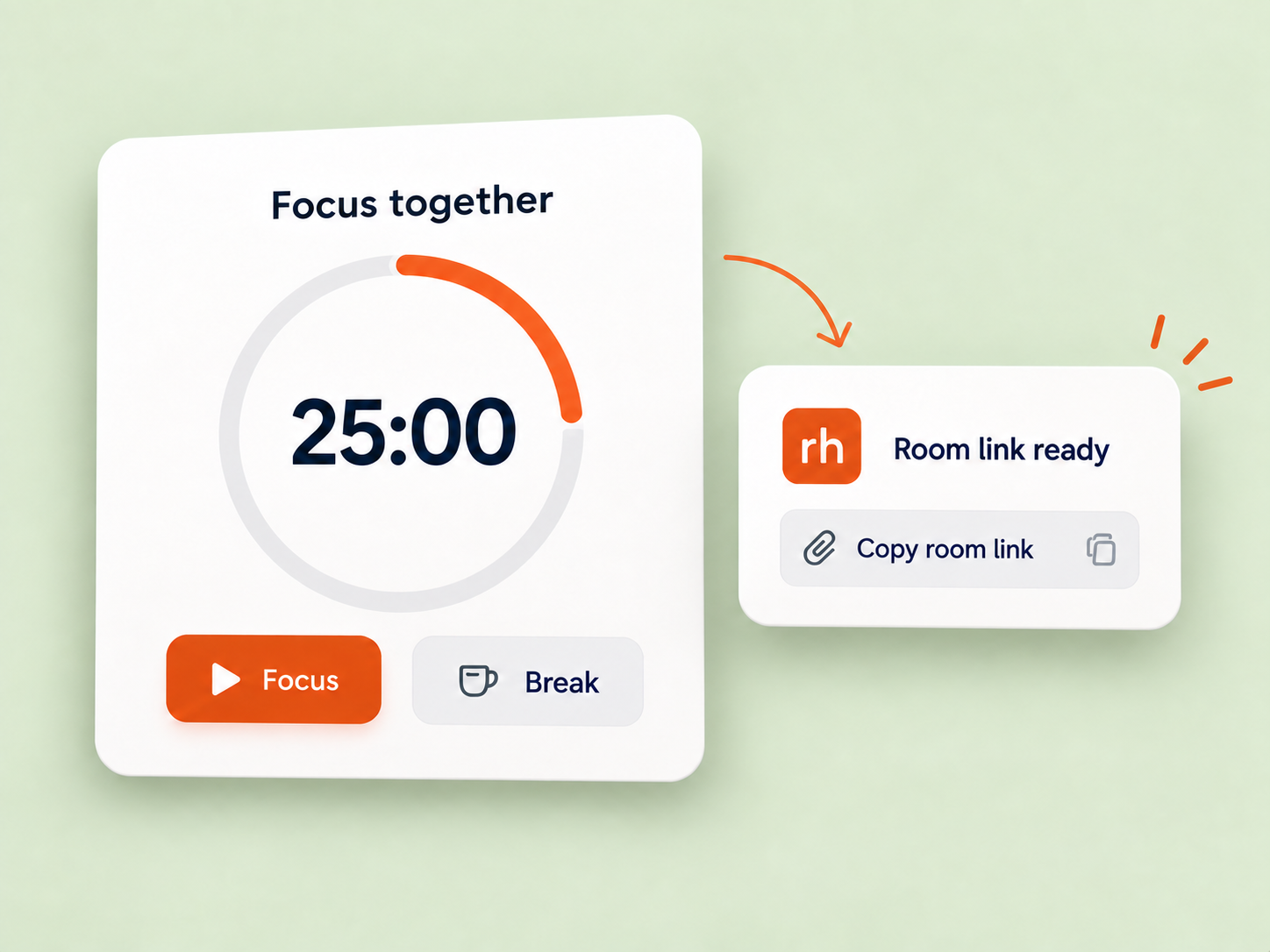
A Mac and browser app for shared focus sessions. People join through a room link, follow the same timer and take guided movement breaks between work periods.

What changed
The challenge
People working apart can find it difficult to establish a shared rhythm. Separate timers drift, organising a focus session adds coordination, and movement breaks are easy to miss when everyone works on their own.
What we built
We built a macOS menu-bar app and browser rooms with a synchronised Pomodoro timer. A person starts a room and shares its link. Participants can see who has joined and follow the same focus and break periods.
How a session works
The app gives the group one schedule from the start of a work period to the next break.
What it enables
The working app lets people create and join rooms, run shared focus sessions and take movement breaks on the same schedule. It gives distributed groups a practical way to focus together.
Read the story

Internal experiment

Community AI workspace: shared context inside Telegram.

Hermes community

An internal experiment for the squuaad community. A Hermes agent uses shared product and community context in Telegram, giving discussions and collaborative product work a common reference.

What changed
The challenge
Community discussion and product work can become disconnected. Ideas appear in chat, while the context behind the product lives elsewhere. Repeating that context makes it harder for people and agents to contribute to the same work.
What we built
We set up a Hermes agent around squuaad’s shared product and community knowledge, with Telegram as the place people interact with it.
What the experiment explores
The focus is how a community can work with an agent using a common understanding of the product.
Where it is now
The agent is being used as an internal environment for testing community-led workflows. The experiment explores how shared knowledge and conversation can support collaborative product work.
Read the story

Previously published workflow result

Proposal writing: from 10 hours to 45 minutes a week.

Client workflows

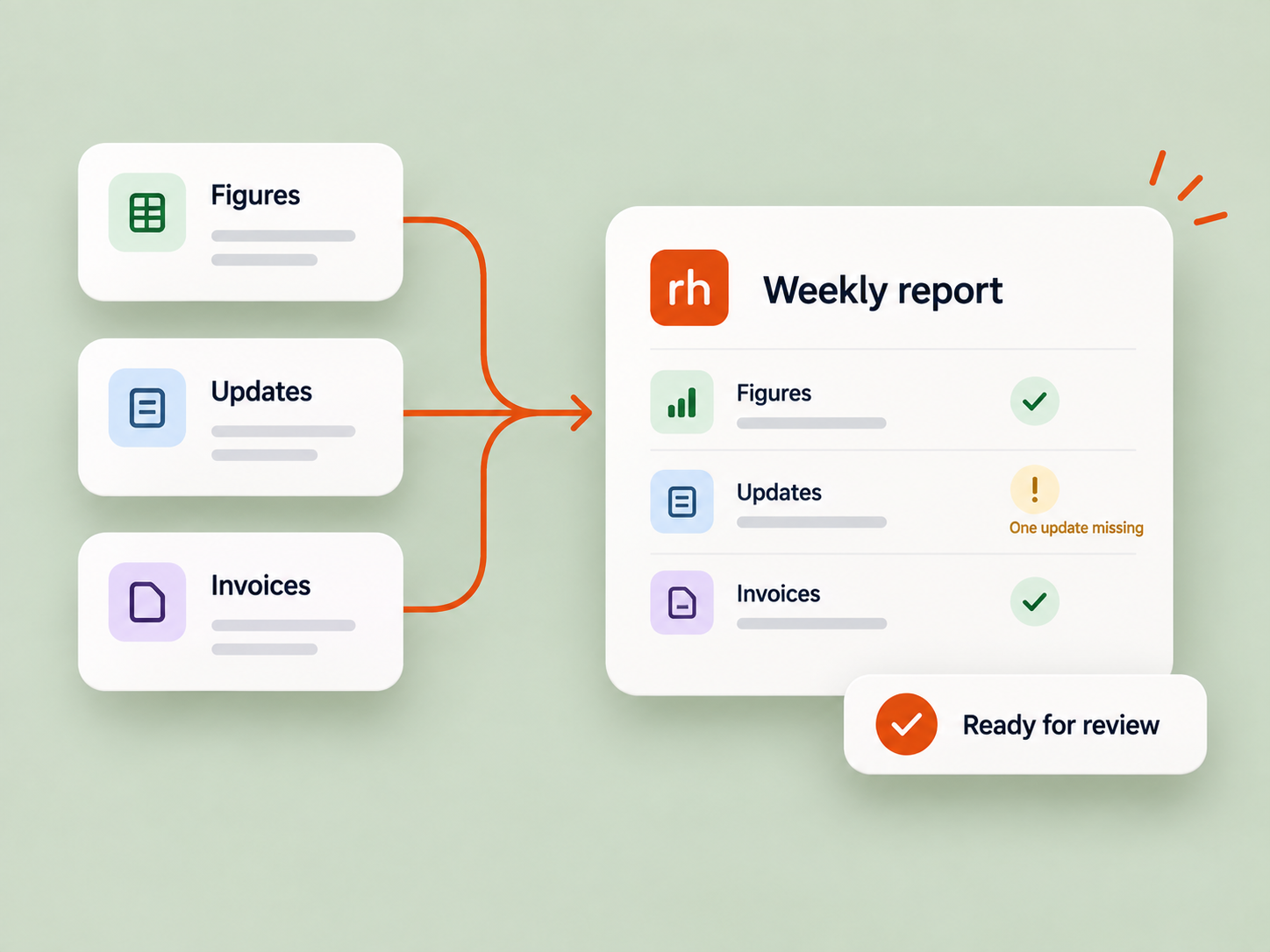
An earlier Remote Humans result reported a reduction in weekly proposal preparation from 10 hours to 45 minutes, alongside automated reporting across systems.

What changed
The challenge
Proposal writing occupied 10 hours each week, with reports also compiled manually. The recurring preparation created a substantial administrative workload.
The workflow
The published example covers proposal preparation and report compilation across business systems. It records a move away from manual preparation towards automated reporting.
The reported result
Weekly proposal preparation fell from 10 hours to 45 minutes: a difference of 9 hours and 15 minutes. This earlier example is retained from the previous Results page.
Read the story

Start with how your business works

What would you like
to take off your plate?

Show us the work. We’ll help you choose what to automate and how to get started.

Let’s find your workflow